
Key Takeaways
✔ A church renovation before and after shows how faded interiors, worn seating, and dull windows can be transformed into vibrant, welcoming spaces that uplift worship.
✔ Working with skilled church restoration companies ensures that every project balances preservation of historic details with modern updates for safety, comfort, and function.
✔ A broken stained glass window can compromise safety, weaken the structure, and diminish the atmosphere of the sanctuary if not repaired quickly.
✔ Professional stained glass window repair restores the strength, color, and brilliance of panels.
✔ Adding church chairs with kneelers gives congregations flexibility for events while offering ergonomic comfort.
✔ Repurposed church pews extend the life of traditional seating by turning them into refinished benches, shortened rows, or furniture.
Table of Contents
For centuries, church stained glass has transformed ordinary sunlight into divine art—telling sacred stories, inspiring faith, and shaping the soul of worship spaces.

The Sacred Art of Light and Faith
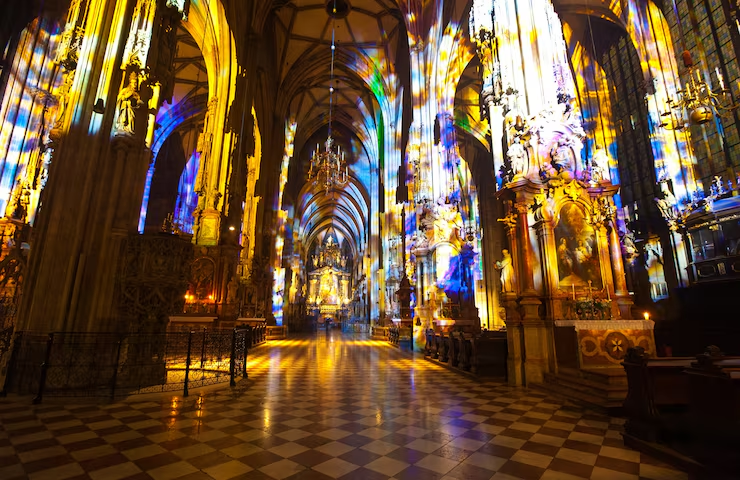
Walk into any historic sanctuary, and you’ll immediately feel it—the warm glow of color streaming through church stained glass. Beyond their breathtaking beauty, these windows hold deep spiritual and cultural meaning. The tradition of using stained glass church windows began as a way to teach, inspire, and elevate the hearts of worshippers. Every panel of colored glass serves as a silent sermon—illuminating the sacred stories and beliefs that unite a congregation in faith.
The Origins of Church Stained Glass
From Medieval Cathedrals to Modern Sanctuaries
The story of stained glass church windows dates back to the Middle Ages. Early cathedrals across Europe used them to illustrate Bible stories for congregations who could not read. These luminous designs filled vast cathedral spaces with storytelling light, turning architecture into a living symbol of divine presence. As churches spread across continents, the art of stained glass followed—evolving in style yet preserving its purpose: to communicate God’s word through light and color.
When was Stained Glass Added to Churches?
The earliest stained glass church windows appeared as early as the 7th century, but their use flourished during the Gothic period between the 12th and 16th centuries. These windows became essential to church architecture across Europe, capturing sunlight as a symbol of God’s glory and wisdom.
How Cathedral Glass Defined Sacred Architecture
Cathedral glass became more than decoration—it was a defining element of church identity. Craftsmen developed intricate patterns and vibrant hues to create cathedral windows that seemed to breathe with life. The artistry of these masterpieces elevated even the humblest chapel into a house of awe. From Gothic arches to modern sanctuaries, the spirit of stained glass remains a cornerstone of sacred design.
Religious and Educational Purposes of Church Stained Glass
What is the Purpose of Stained Glass in Church?
At its heart, stained glass serves as a visual form of worship—teaching scripture, inspiring reflection, and transforming the church interior into a space of divine illumination. Through both image and color, it bridges faith and art in a way words alone cannot.
Teaching Through Imagery
Before widespread literacy, stained glass church windows served as the “Bible for the people.” Scenes of saints, miracles, and scripture stories taught moral lessons and reinforced Christian values. Each image glowed with meaning, drawing the faithful closer to the teachings of Christ. The blend of light and symbolism made faith tangible—a visual sermon cast in color.
Symbolism and Spiritual Meaning
What does Stained Glass Symbolize in Christianity?
In Christian tradition, stained glass represents divine light entering a sacred space. Each color and design element carries meaning: blue for heaven and truth, red for sacrifice and love, gold for holiness, and green for eternal life. The light streaming through stained glass symbolizes God’s presence shining into the hearts of believers. These sacred artworks remind every worshipper that faith is both seen and felt.
Aesthetic and Atmospheric Purposes of Stained Glass
What was the Reason for Stained Glass Windows?
Beyond religious instruction, stained glass was designed to create atmosphere—to turn sunlight into worship itself. The windows transformed ordinary spaces into sanctuaries of peace and reverence, where light became part of prayer.
Enhancing Worship Through Light and Beauty
Beyond their religious symbolism, stained glass windows church interiors create an atmosphere of serenity and reverence. The dance of colored light softens the architecture, shaping mood and emotion. It invites reflection, peace, and awe—turning a simple gathering into a transcendent experience. These windows transform not only the walls of a church but also the hearts within them.
Architectural Harmony and Acoustic Benefits
Cathedral glass contributes to the physical and acoustic harmony of worship spaces. The thickness and texture of stained glass reduce harsh echoes and filter natural light to create an intimate setting for prayer and song. This union of form, function, and faith is why stained glass remains an enduring feature in churches old and new.
Quick Facts About Church Stained Glass
✔ The oldest known stained glass window dates to the 7th century.
✔ Medieval artisans mixed metals like copper and cobalt to create vivid colors.
✔ Cathedral windows were once used to teach the Ten Commandments and Beatitudes.
✔ Some church stained glass windows contain glass over 500 years old.
✔ Restored windows can last another century when properly maintained.
The Craftsmanship Behind Stained Glass Church Windows
The Art of Creating Stained Glass Windows
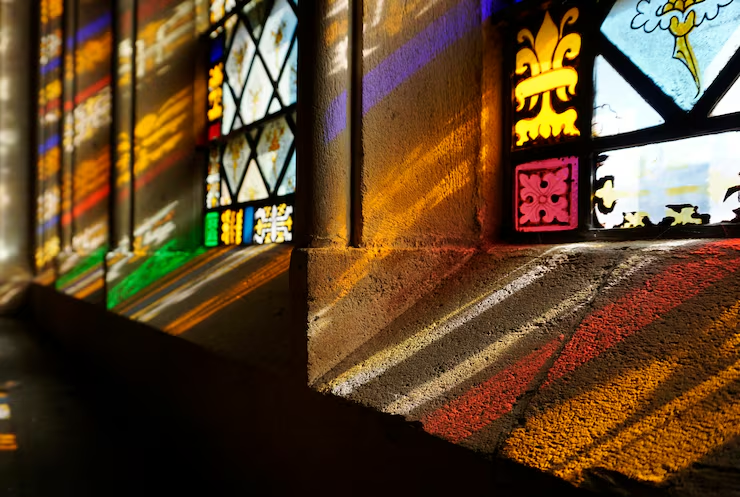
Each piece of stained glass is handcrafted with precision. Artisans design detailed sketches, select and cut colored glass, and fit each fragment within lead strips. The sections are soldered, polished, and framed before being installed. The final masterpiece glows with light, faith, and the touch of human devotion—a collaboration between artist and architect in service of the sacred.
Preserving Heritage Through Restoration
Over time, even the strongest stained glass can weaken due to weather, age, and heat. That’s why professional restoration is essential. Experts carefully dismantle, clean, and reinforce the panels while maintaining the original design. Restoration not only preserves the past—it renews the brilliance that first captivated congregations centuries ago. Skilled restoration companies like Artech Church Interiors continue this sacred tradition with respect, precision, and artistry.
The Role of Stained Glass in Modern Churches
Blending Tradition with Contemporary Design
Today’s worship spaces often merge tradition with innovation. Modern stained glass church windows combine classic symbolism with contemporary styles—geometric designs, abstract art, and new materials that maintain strength and clarity. These installations remind congregations that faith and creativity are timeless companions.
Connecticut Churches Preserving Their Legacy
Across Connecticut, many congregations are restoring or designing church stained glass to revitalize their sanctuaries. Through careful renovation, they preserve their church’s heritage while renewing beauty for future generations. Artech Church Interiors continues to serve churches throughout CT with expertise in restoration, design, and renovation, helping local faith communities preserve their legacy of light.
Frequently Asked Questions | Church Stained Glass (FAQs)
1. What is the main purpose of stained glass in churches?
The primary purpose of stained glass in churches is both spiritual and educational. Historically, church stained glass windows served as visual tools for teaching the stories of the Bible to congregations who could not read. Each image, from depictions of saints to scenes from Christ’s life, carried moral and theological meaning. Beyond education, stained glass represents divine light entering a sacred space—reminding worshippers that faith illuminates the soul just as sunlight brightens the church interior. These colorful windows transform ordinary architecture into a sanctuary of reflection, beauty, and reverence.
2. Why are stained glass windows so colorful?
The brilliant colors found in stained glass windows church interiors are not merely decorative—they are deeply symbolic. Every hue carries spiritual meaning:
- Blue represents heaven, faith, and truth.
- Red symbolizes the blood of Christ and the power of divine love.
- Gold signifies holiness, glory, and the eternal presence of God.
- Green stands for rebirth and eternal life.
- Purple reflects royalty, penitence, and devotion.
When sunlight passes through these colors, it creates a living, moving sermon in light—filling the church with warmth and a sense of divine presence. The interplay of color and radiance is what gives church stained glass its emotional and spiritual depth.
3. Do all churches use cathedral glass?
Not every church uses cathedral glass, but it remains one of the most beloved materials in sacred design. Cathedral glass refers to a translucent, textured glass often used in traditional church stained glass windows. Its surface softly diffuses sunlight, producing a gentle glow that enhances both the architecture and the mood of worship. While some modern churches now use contemporary glass styles or painted panels, many still prefer cathedral glass for its timeless beauty, durability, and spiritual symbolism. It bridges history and faith, preserving the traditional atmosphere that many congregations cherish.
4. Can modern churches install new stained glass windows?
Absolutely. Today’s architects and artisans continue to design stained glass church windows that blend tradition with innovation. Modern churches often commission new stained glass pieces that reflect their congregation’s unique identity, values, and mission. Whether abstract, symbolic, or narrative, these contemporary windows bring both visual beauty and spiritual resonance to worship spaces. Advanced techniques and durable materials now allow churches to enjoy the artistry of stained glass with improved energy efficiency and longevity. By installing new windows, modern congregations continue a centuries-old tradition of using light as a form of worship and storytelling.
5. Who restores stained glass church windows in CT?
In Connecticut, Artech Church Interiors is a trusted expert in stained glass restoration, renovation, and design. Their team of skilled artisans specializes in preserving the structural integrity and visual brilliance of historic church stained glass windows. Restoration involves cleaning, repairing lead cames, replacing damaged sections, and strengthening the glass while maintaining its original craftsmanship. Through careful attention to detail, Artech ensures each piece retains its historical and spiritual authenticity. From historic cathedrals to local chapels, Artech Church Interiors helps CT congregations protect their legacy of light for generations to come.
Illuminate Your Church’s Legacy with Artech Church Interiors
Church stained glass is far more than decoration—it’s a bridge between faith, art, and light. Each window tells a story that inspires worship and connects generations. If your sanctuary’s stained glass needs renewal or restoration, trust the skilled craftsmen of Artech Church Interiors. Their commitment to excellence ensures your church continues to shine with beauty, heritage, and devotion for years to come.