
What’s in This Guide
What Does "Grant-Ready" Mean for a New Jersey Church?
Why Should NJ Congregations Prepare Before the Next Funding Cycle Opens?
What Should a New Jersey Church Preservation Plan Include?
How Can a Church Build a Grant-Ready Preservation Plan? A Step-by-Step Checklist
Historic Site Management Grants vs. Capital Preservation Grants: What's the Difference?
What Does It Cost to Prepare a Preservation Plan or Condition Assessment?
How Can Church Restoration Companies in NJ Support Grant-Ready Planning?
Ready to Start Your Church's Preservation Plan in New Jersey?
New Jersey's historic churches carry more than a century of worship, craftsmanship, and community memory, and much of that history depends on aging plaster, masonry, and woodwork that need ongoing care.
When New Jersey historic preservation grants open for a new cycle, congregations that already have documentation, priorities, and cost estimates in hand are the ones best positioned to compete. Building a grant-ready preservation plan takes months, not weeks, and starting after an application window opens is usually too late.
This guide walks New Jersey building committees through what a competitive preservation plan includes, how a condition assessment supports it, and where church restoration companies in NJ can help a congregation prepare before the next round of state funding opens.
Quick Facts
- New Jersey Historic Trust Historic Site Management grants fund $5,000 to $75,000 for preservation plans and condition assessments, at a 3:1 match and applicants cover 25% of total project costs.
- Properties must be register-listed or eligible to qualify for funding.
- A documented condition assessment is the foundation of a competitive preservation plan.
- Church restoration companies in NJ can prep photos, scopes, and estimates before deadlines.
What Does "Grant-Ready" Mean for a New Jersey Church?
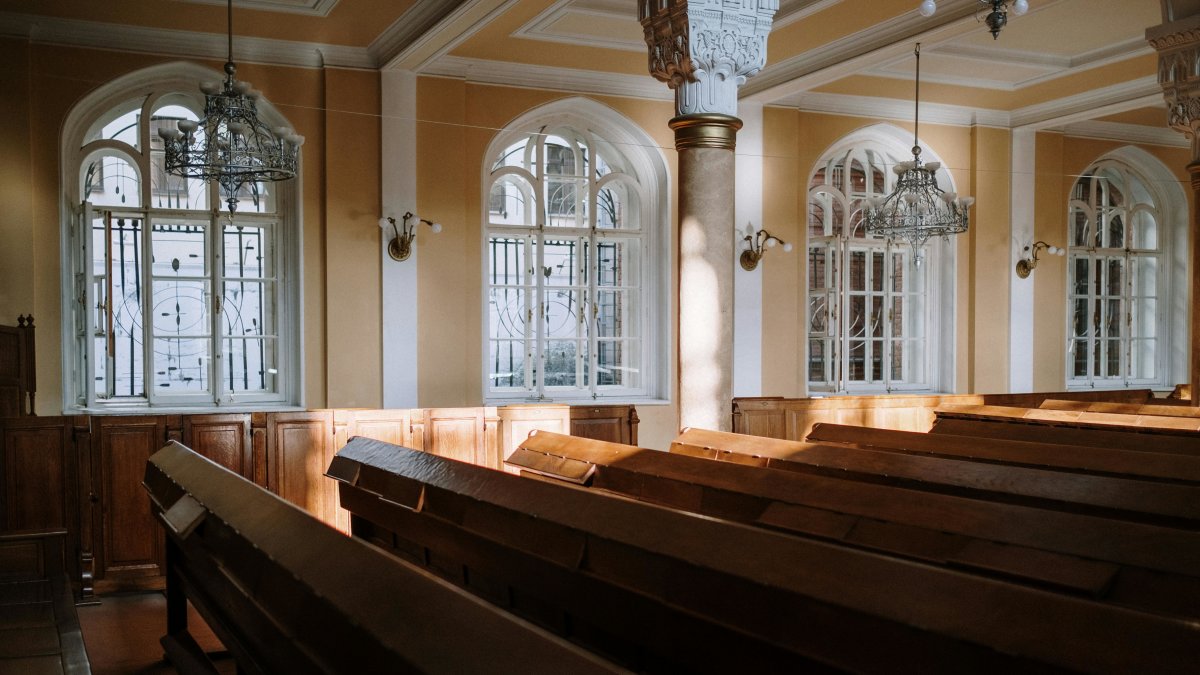
A grant-ready New Jersey church has documented its building history, current condition, and repair priorities before a funding cycle opens. Reviewers look for congregations that can show clear need, realistic costs, and a plan for using the money, not simply a request for help.
The New Jersey Historic Trust ranks applications against several criteria, including the historical significance of the resource, its physical condition, the applicant's ability to match funds and complete the proposed work, and how well the project supports long-term site management.
A congregation that walks into an application cycle with a documented condition assessment, prioritized scope, and cost estimates already in hand answers most of these criteria before a reviewer even asks the question.
Why Should NJ Congregations Prepare Before the Next Funding Cycle Opens?
Grant Windows Close Faster Than Committees Expect
NJ congregations should start preparing months before an application opens because grant-ready documentation, professional assessments, and board approvals take real time to assemble. Waiting until a funding cycle opens usually means missing the window entirely.
Deadlines and Eligibility Windows Are Firm
Preservation funding rounds run on fixed deadlines, and eligible properties generally need to be listed or certified eligible for historic register status well ahead of the application date. There is little room to catch up once the window opens.
Supporting Paperwork Takes Time to Assemble
Applications typically require a signed governing body resolution, ownership approval documentation if the church doesn't hold title, and a detailed project expenditure worksheet, often submitted alongside the online application. None of that paperwork comes together the week before a deadline.
What Should a New Jersey Church Preservation Plan Include?
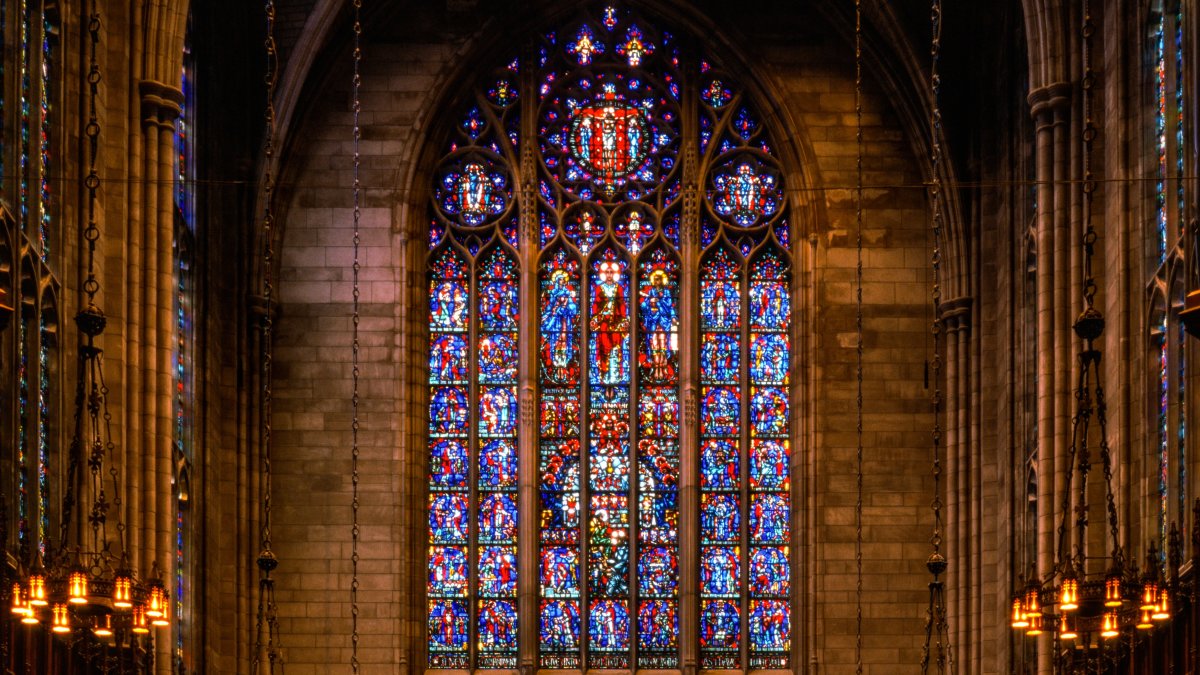
A complete preservation plan for a New Jersey church combines building history, a professional condition assessment, prioritized and phased scopes of work, cost estimates, and a maintenance and fundraising strategy. Each piece supports both the grant application and the congregation's own long-term planning.
Building History and Documentation
Reviewers want to understand a building's age, architectural style, and past alterations. A short written history, original construction dates, past restoration projects, and documentation of features like historic church millwork reproduction help establish the resource's significance.
A Professional Condition Assessment
A condition assessment identifies a building's materials and features and records their current state, widely regarded as the necessary starting point for any preservation project.
This baseline documentation, covering everything from structural integrity to needed church HVAC and electrical upgrades, becomes the benchmark every subsequent decision is measured against.
Photographs and Physical Evidence
Dated, labeled photographs of cracking plaster, deteriorating masonry, failing lead cames, or crumbling lime mortar give reviewers concrete evidence of need. Photographs also create a baseline a congregation can compare against as conditions change year to year.
Prioritized, Phased Scopes of Work
Not every repair needs to happen in the same year. Sorting work into critical, important, and planned tiers, such as prioritizing structural stabilization before interior finish work or church pew refinishing, helps a committee sequence spending and shows funders that project logistics have been thoroughly considered.
Cost Estimates
Preliminary cost estimates, even rough ones tied to a condition assessment, demonstrate that a congregation understands the scale of the work ahead and has a realistic sense of what matching funds will require.
A Maintenance and Fundraising Plan
A maintenance plan shows funders that completed repairs will be protected going forward, while a fundraising or capital campaign plan demonstrates the congregation's own commitment to the project. Both are eligible for planning activities under the current grant program.
How Can a Church Build a Grant-Ready Preservation Plan? A Step-by-Step Checklist
Congregations can build a grant-ready preservation plan by working through documentation, assessment, and budgeting tasks in sequence, well ahead of an application deadline. The checklist below follows the order most New Jersey building committees find manageable.
- Confirm register eligibility. Verify the church is listed or certified eligible for listing on the state or national register of historic places, since both generally follow similar eligibility criteria reviewed by the appropriate historic preservation office.
- Assemble building history documentation. Gather construction dates, architect or builder records, and past restoration work into a short written summary.
- Commission a professional condition assessment. Bring in a preservation architect or an experienced church restoration company to evaluate structure, envelope, interior finishes, and building systems.
- Photograph conditions systematically. Document every area of concern with dated, labeled images tied to the written assessment.
- Draft prioritized, phased scopes of work. Sort findings into critical, important, and planned tiers to guide sequencing.
- Obtain cost estimates for each phase. Work with qualified professionals to attach realistic figures to the proposed scope.
- Build a maintenance and fundraising plan. Outline how completed work will be maintained and how matching funds will be raised.
- Secure governing body approval. Obtain the signed board resolution and owner approvals the application requires before the deadline.
Historic Site Management Grants vs. Capital Preservation Grants: What's the Difference?
Historic Site Management grants fund the planning documents a preservation plan requires, while Capital Preservation grants fund the physical repair work that follows. Most congregations use planning grants first, then apply for capital funding once a documented scope exists.
|
Factor |
Historic Site Management Grants |
Capital Preservation Grants |
|
Primary Use |
Preservation plans, condition assessments, architectural plans, cost estimates, maintenance and fundraising plans |
Construction expenses for preservation, restoration, and rehabilitation work |
|
Grant Range |
Smaller, planning-level funding amounts |
Larger, tiered funding levels for construction-scale projects |
|
Match Requirement |
A higher funding match, requiring a smaller applicant contribution |
A lower funding match, requiring a larger applicant contribution |
|
Best Fit For |
Congregations preparing a documented preservation plan before construction begins |
Congregations with a completed plan ready to move into bricks-and-mortar work |
What Does It Cost to Prepare a Preservation Plan or Condition Assessment?
The cost of a preservation plan or condition assessment for a New Jersey church depends on the building’s size, its documented history, and how deep the investigation needs to go. There is no single price that fits every sanctuary.
Factors that typically shape an estimate include:
- Size and complexity of the building
- Scope of the assessment, from a general survey to a full historic structure report
- Accessibility of roofs, towers, and interior structural elements
- Whether materials analysis or specialty testing is needed
- How many phases or systems the plan needs to cover
A congregation weighing these factors against its own building and timeline benefits from a professional conversation rather than a generic figure.
How Can Church Restoration Companies in NJ Support Grant-Ready Planning?
Church restoration companies in NJ can help congregations document conditions, prioritize repairs, and estimate costs long before an application deadline arrives, giving committees a head start on the documentation reviewers expect.
Whether preparing a historic sanctuary or planning a synagogue renovation, experienced firms have typically walked other congregations through this same process.
Artech Church Interiors, Inc. has worked with houses of worship across the Northeast, including New Jersey congregations preparing sanctuaries, plaster, pews, and finishes for both routine repair and larger preservation projects.
Building committees exploring a preservation plan can benefit from a site visit that identifies conditions, establishes priorities, and outlines a phased approach before funds are formally requested.
Frequently Asked Questions
What happens if a church misses a funding cycle deadline?
Missing a deadline usually means waiting for the next annual cycle to open. This is one reason building committees are encouraged to start preparing documentation and a preservation plan well in advance rather than scrambling once applications are announced.
Can a congregation reapply if it isn’t approved in a given cycle?
Yes, congregations that aren’t funded in one round can typically reapply in a future cycle. Strengthening the condition assessment, cost estimates, or supporting documentation often improves a resubmitted application’s standing.
Are there funding options besides state historic preservation grants?
Many congregations combine state funding with denominational capital funds, local fundraising campaigns, or private foundation support. A documented preservation plan tends to strengthen these conversations as well, not just grant applications.
Does a congregation need professional help to prepare a preservation plan?
Committees can draft portions of a plan on their own, but many congregations bring in a preservation architect or experienced church restoration company to complete the condition assessment and cost estimates, since reviewers expect a certain level of technical detail.
Does historic designation affect routine maintenance that isn’t part of a grant-funded project?
In many cases, yes. Depending on the designation, even minor repairs or exterior changes outside a funded project may require review, so it’s worth confirming requirements before starting unrelated maintenance work.
Ready to Start Your Church’s Preservation Plan in New Jersey?
Artech Church Interiors, Inc. works with New Jersey congregations preparing sanctuaries, plaster, pews, flooring, and finishes for restoration and can help building committees document conditions before a funding cycle opens.
Schedule a no-cost site visit to review your church’s condition and priorities before your committee begins its next preservation plan.
Related Post